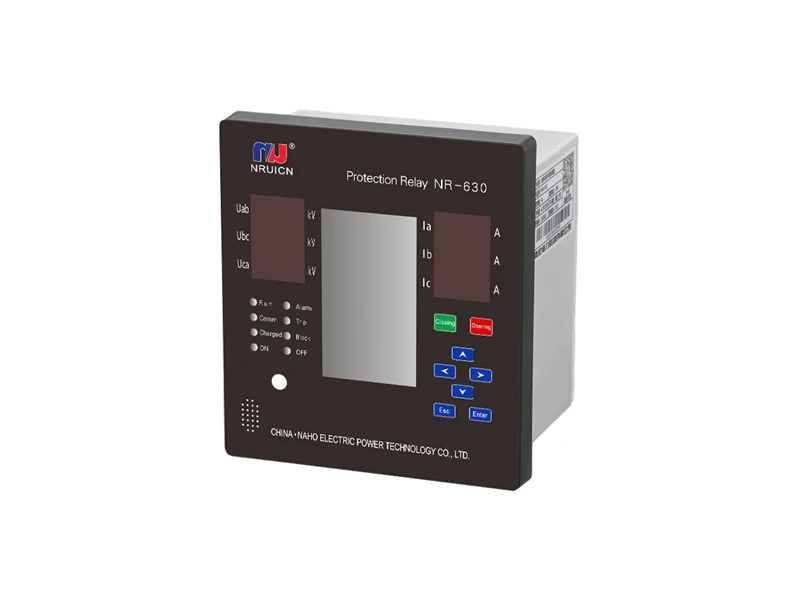
Exterior and Housing Components
Housing and mounting base: Check the housing for cracks, deformation, or discoloration due to overheating; ensure mounting screws are tight to prevent vibration-induced shifting during operation.
Seals and protective parts: Inspect housing gaskets and terminal box covers to ensure they are intact, preventing the ingress of dust or moisture that could compromise insulation.
Status indicators: Verify that operation indicator lights and mechanical operation flags (targets) are clear and functioning correctly, with no damage or false alarms.
Wiring and Terminal Components
Wiring terminals: Inspect each terminal on the terminal block for looseness, oxidation, or signs of arcing/burning; retighten using a torque screwdriver; clean oxidized areas (verdigris) with fine sandpaper and apply conductive paste.
Secondary circuit leads: Check secondary wiring for aging, damaged insulation, or cracks; ensure wiring is neatly routed without pinching to prevent short-circuit hazards.
Core Contact Components
Main contacts (NO/NC): Remove the cover to inspect contact surfaces for burning, carbon buildup, sticking, or poor contact; smooth out minor pitting with a fine file, but replace the contact set entirely if wear is severe.
Microswitch contacts: For specialized components like oil pressure relays, check silver contacts for oxidation; manually actuate the operating rod to ensure crisp, smooth movement without sticking or binding.