


Comprehensive Upgrade to Intelligent and Adaptive Protection
Traditional fixed-threshold protection logic is being reimagined through AI algorithms. Big data analysis enables automatic fault identification and dynamic strategy adjustment-raising fault detection accuracy to 99.6%-thereby eliminating the limitations of manual parameter setting.
These systems are deeply aligned with the self-healing capabilities of smart grids. They dynamically adjust protection logic to handle grid fluctuations caused by distributed PV and wind power integration, ensuring precise fault isolation under complex operating conditions and preventing widespread blackouts.
Specialized Adaptation for HVDC and New Energy Scenarios
800V/1500V high-voltage platforms are becoming the mainstream standard. By 2026, the industry had already launched specialized products supporting 1500V DC and currents up to 150A, featuring contact impulse withstand voltages of 12kV-making them ideal for AI computing centers, energy storage stations, and the high-voltage architectures of new energy vehicles.
Hybrid protection technology is rapidly gaining adoption, combining the low conduction losses of mechanical switches with the millisecond-level interruption speeds of solid-state devices. Market penetration in the energy storage and PV sectors is projected to reach 72.1% by 2030, with falling SiC chip costs expected to drive a shift toward full replacement by 2027.
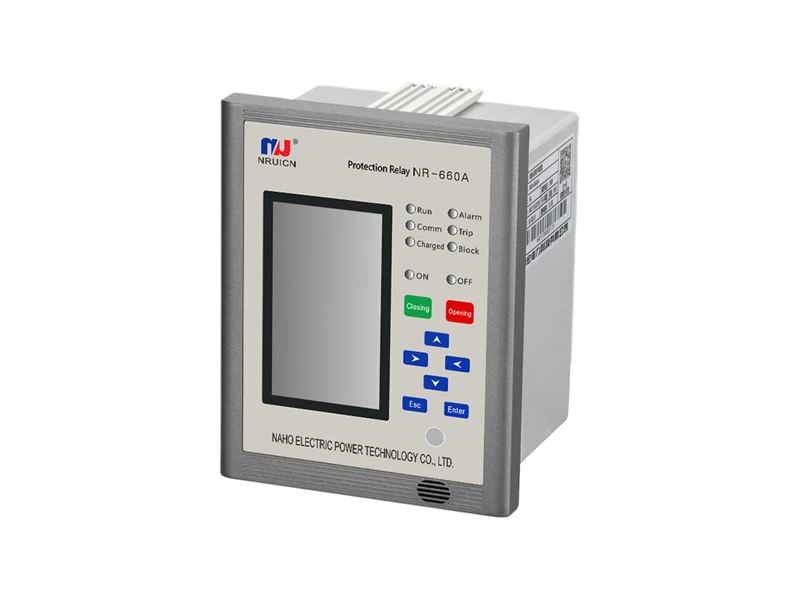
Digital Interconnectivity and Intelligent O&M
Next-generation products feature an integrated measurement and control design and support universal communication protocols like IEC 61850. They seamlessly interface with Industrial Internet platforms to enable remote configuration, commissioning, and status monitoring, significantly reducing operation and maintenance (O&M) time.
Deep application of digital twin technology allows for the precise prediction of a relay's remaining service life through high-fidelity virtual mapping. This reduces unplanned equipment outages by 68%, marking a shift from reactive fault clearing to proactive predictive maintenance.